
The Elusive Element – Creative Mobile Photography
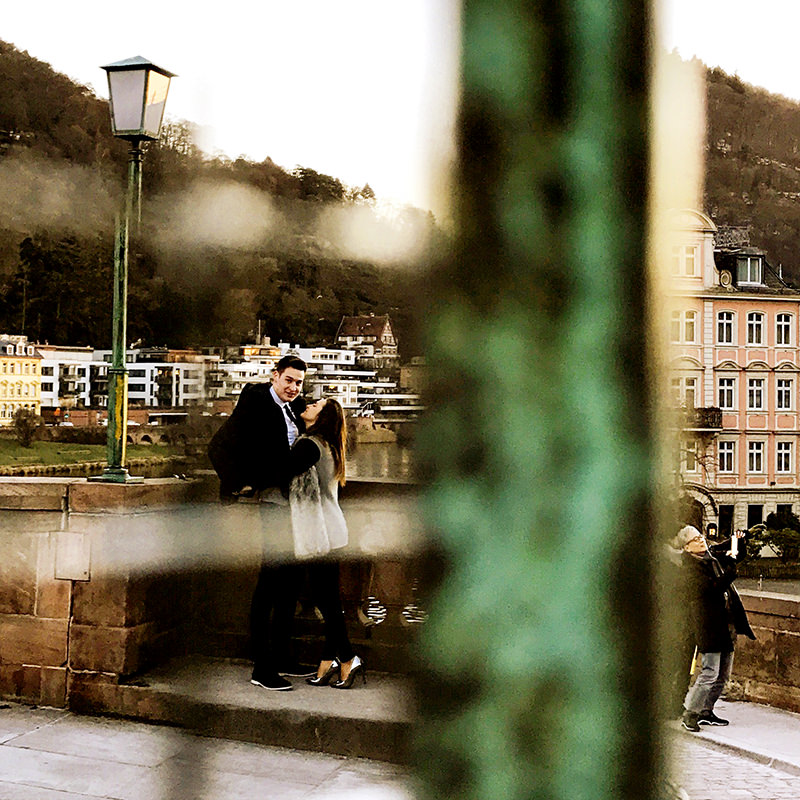

For this guest article, we invited visual artist and art educator Lance Hewison to talk about his approach to mobile photography and how he finds inspiration in everyday life:
As a photographer it’s not easy to get a unique, visually striking shot. It’s usually only 1 in a 100 photos that have that special something, and that’s a rather generous estimate for me personally.
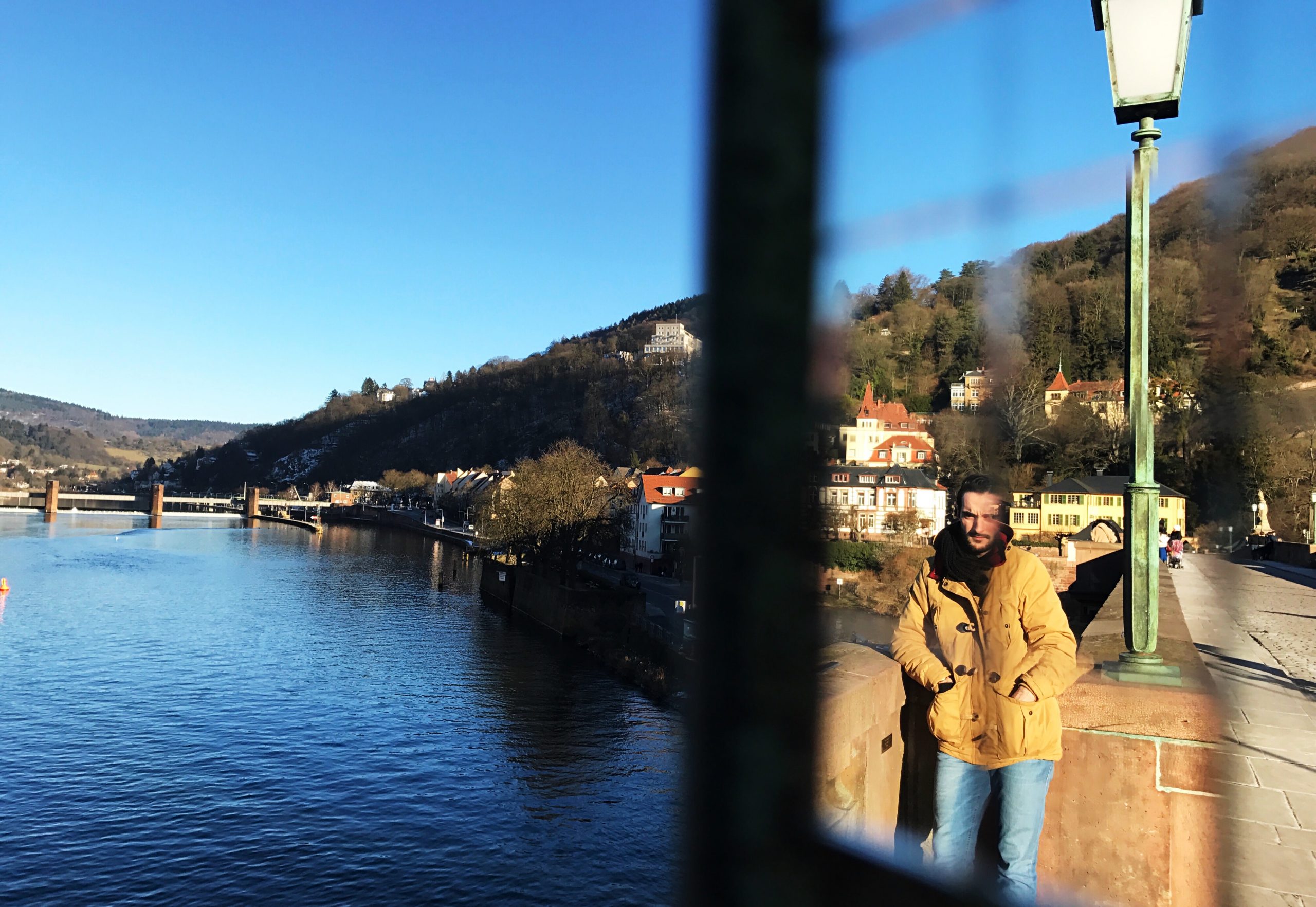
I recently took a trip to the city of Heidelberg in southern Germany. It was a mild and sunny January afternoon, so I wandered around, coffee in hand, and admired the beautiful architecture and charm the city possesses.
As I always have my iPhone handy, I decided to use ProCamera to take some shots. I snapped lots of photos of the city’s most impressive sights. Although the details of the churches and town squares looked great in the photos, the images were nonetheless a bit predictable and didn’t really say anything interesting. I felt that anyone could have easily snapped the same photo.
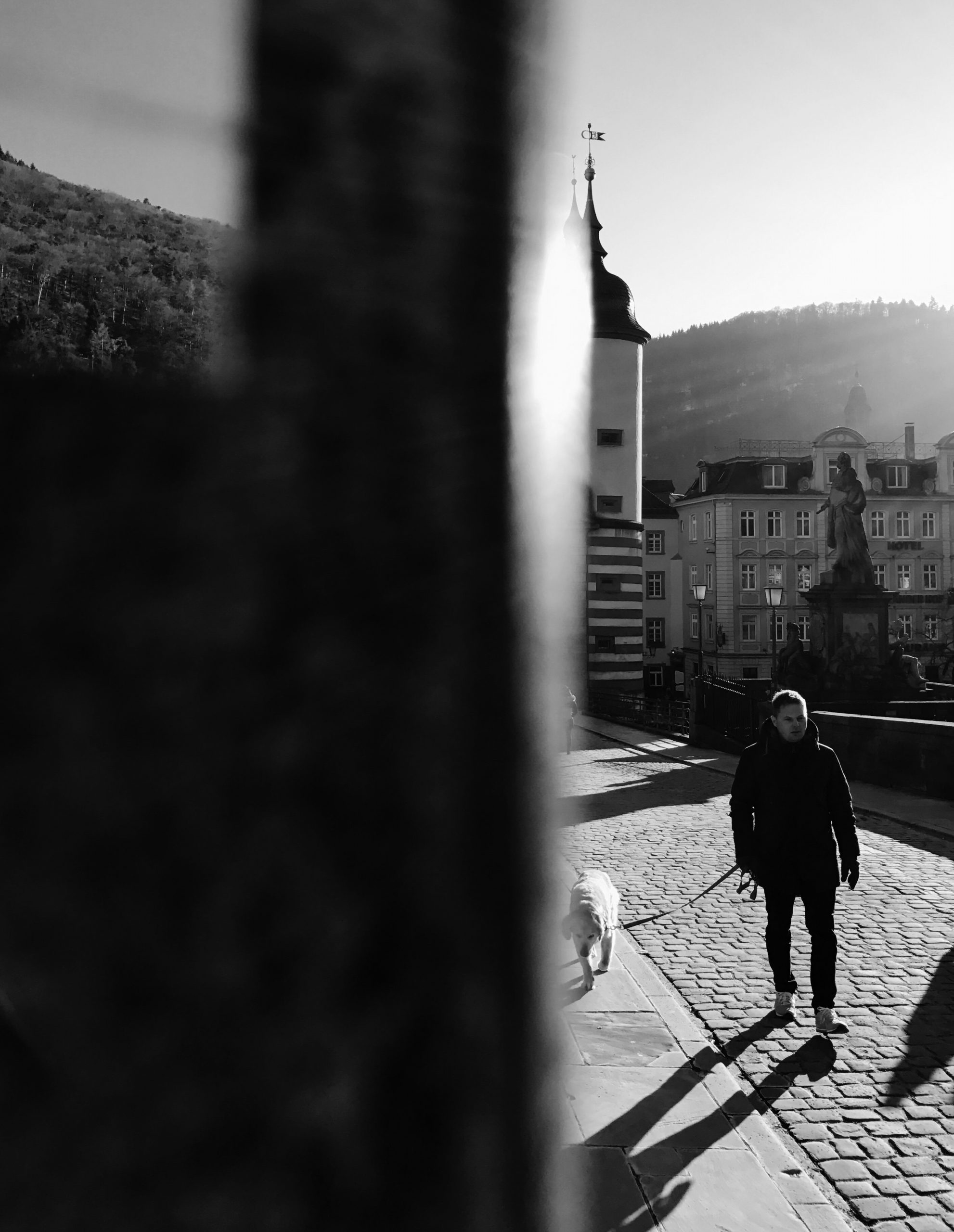
The Old Bridge is one of the most popular sites in Heidelberg, where hundreds of tourists flock per day to enjoy the stunning views across the Neckar River. On this particular day at sunset, there were at least a dozen people standing at various spots along its length, some alone and others in small groups, most of them snapping selfies with an outstretched hand. A few of the others had big professional DSLR cameras mounted on tripods, and they appeared concerned with capturing a precise composition of the landscape over the water.
As I paced up and down the bridge looking for inspiration, I became interested in the tourists and how they were an integral component of this environment. However, I wondered how I could snap pictures of complete strangers without invading their privacy. I certainly didn’t want to ask them if I could take their photo, because the moment you do that people stop being natural and tense up in a forced smile, or a big scowl if they don’t wish to be photographed. By pure chance, I noticed a small grid made of tiny square mirrors glued to one of the bridge’s lampposts. I have no idea how it got there, but I was intrigued with the effect it might have on my photos.
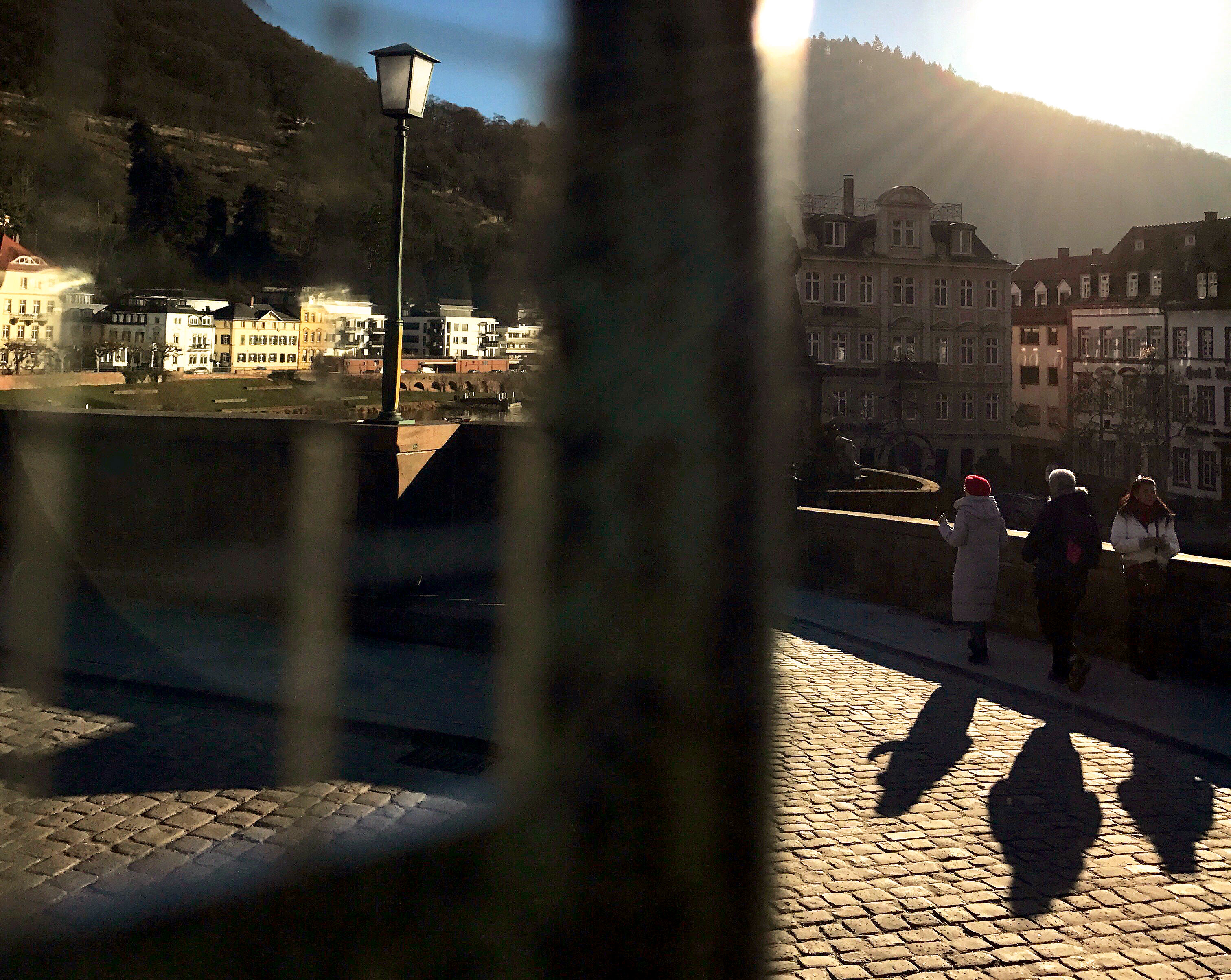
Out of curiosity, I placed my iPhone lens close to the mirrors. In Auto Mode, the camera focused on the nearest object—the tiny mirrors. The people and landscape, on the other hand, were blurred. I wanted the opposite effect, so I needed to have more control over the focus reticle. I dragged the focus reticle directly out from the center of the screen and onto different areas of my composition until the mirrors became blurred and the tourists and surrounding environment came into sharp focus. Because I had great late afternoon light and clear skies, it wasn’t necessary to adjust my exposure levels much at all. To make small adjustments, however, I tapped the +/- symbol to reveal the exposure slider and adjusted the exposure level with the swipe of my finger. I used the dark edges of the lamppost as a device to divide up my composition and frame my subjects. These out-of-focus borders created wonderful effects that I hadn’t anticipated and gave a unique, collagelike twist to the photos. If I didn’t tell you about these little square mirrors attached to the lamppost, you might wonder how I got this effect. I like that sense of ambiguity in a photograph—where it isn’t exactly clear what’s going on.
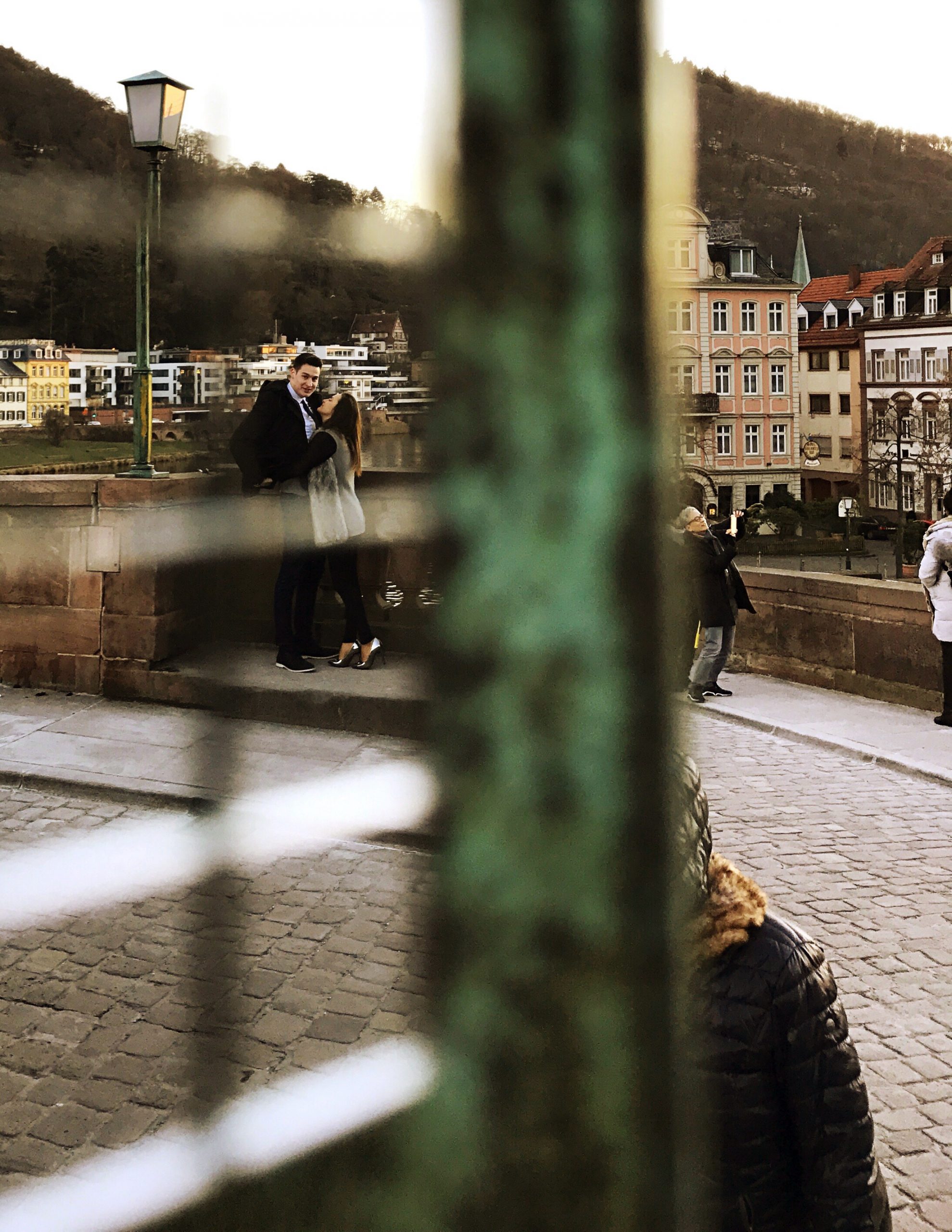
In a nearby café, I began to pick my favorite photos from the bunch and deleted those I knew I wouldn’t use. In the camera roll, I was able to conveniently swipe my finger across entire rows of photos I wanted to send to the trash. I then applied crops to the photos that remained, really focusing in on just the most interesting part of the composition. ProCamera always makes a copy when you edit and keeps your original photo untouched, so there was no worry that I would ruin anything—I could always start over from scratch if I was unhappy with the saved edit. Next, I went into the Tools function and used only the Curves tool to increase the contrast in each scene. Personally, I like rich, deep shadows for a more dramatic effect. One last touch I added to each photo was to adjust the color temperature so that the photos appeared slightly warmer overall since this bright blue sky provided plenty of cool tones already. I enjoyed the convenience of being able to snap, edit, and share my photos all without leaving the app.
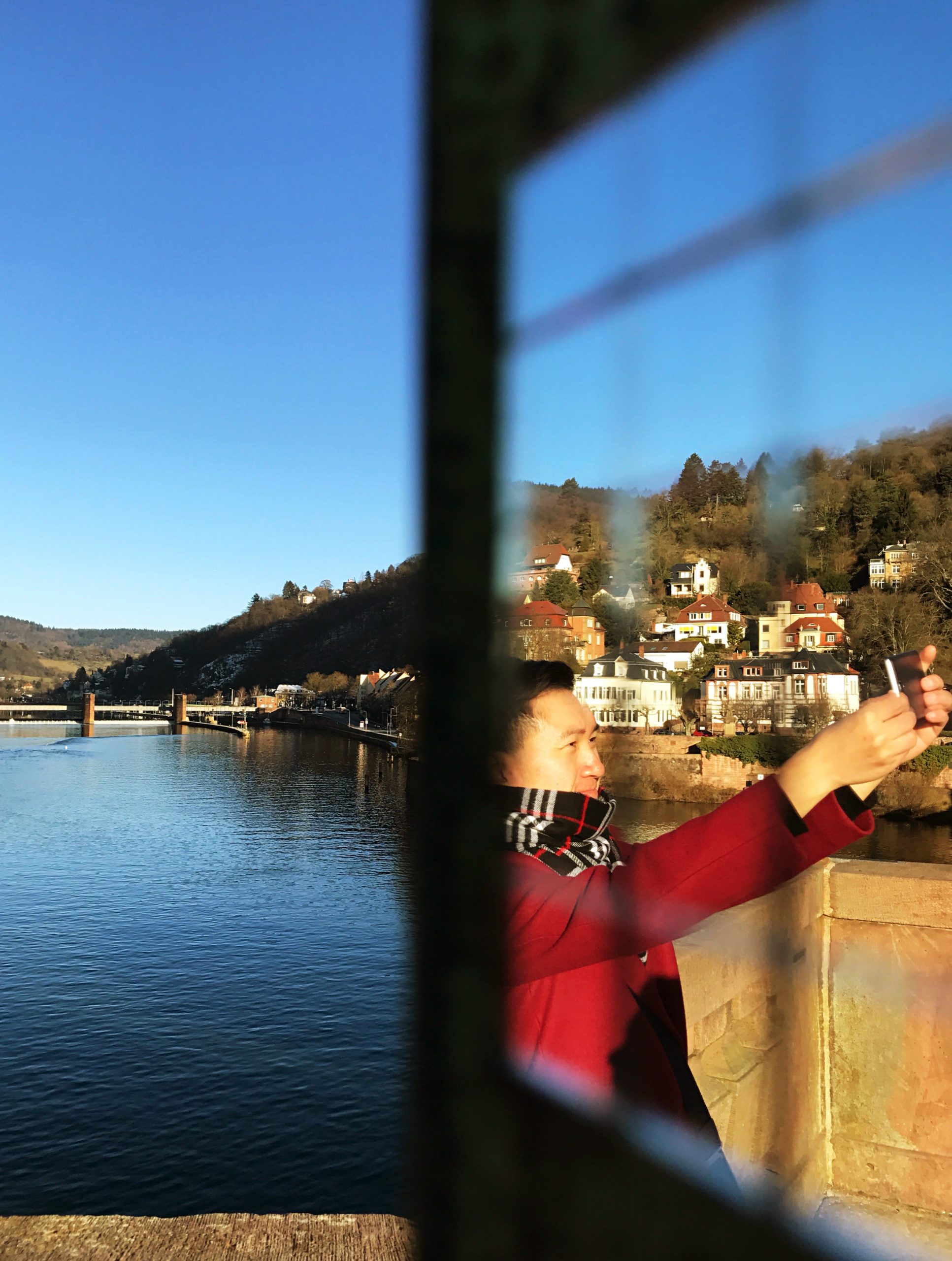
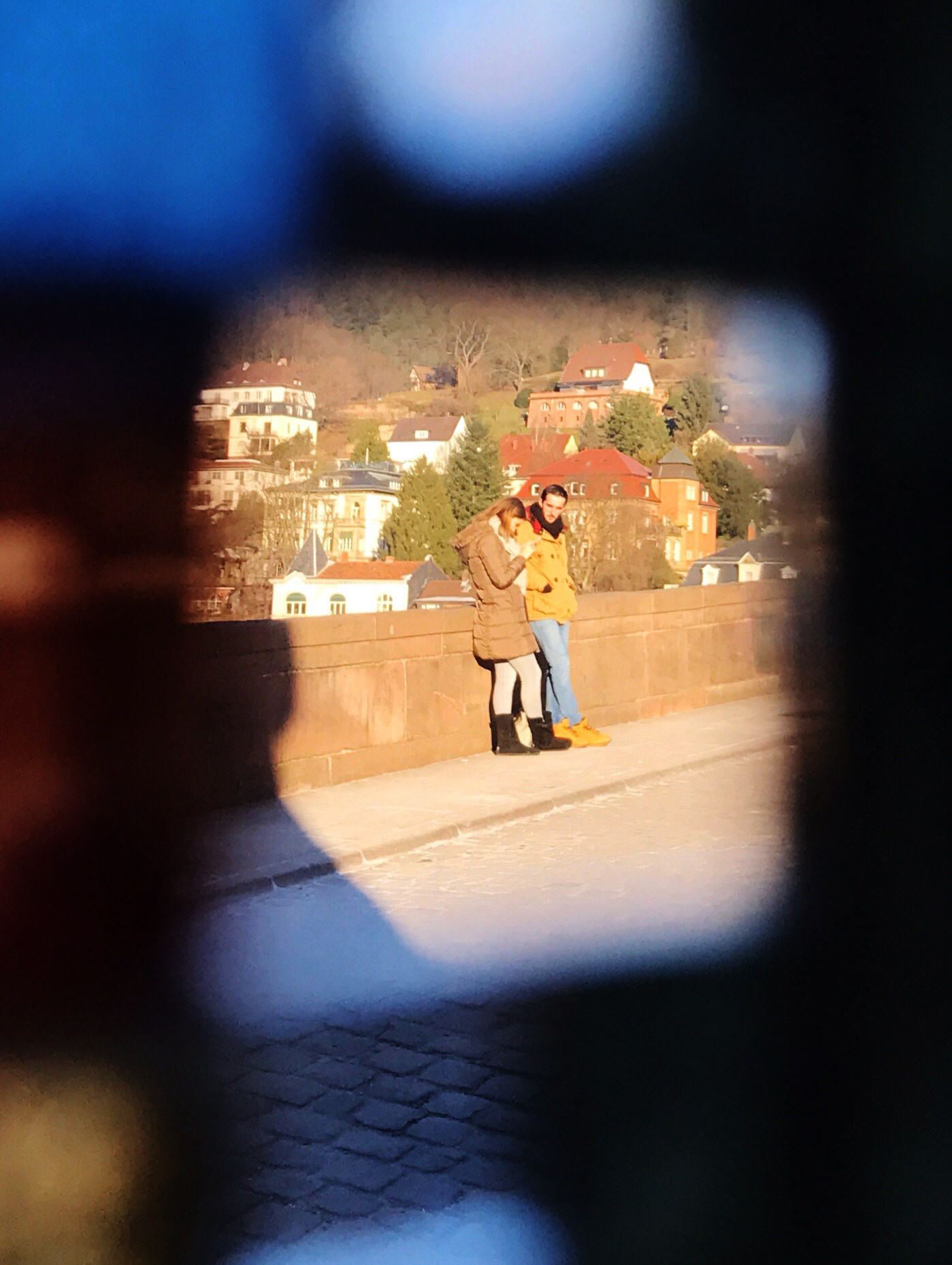
People sometimes ask me where I find inspiration. Instead of looking for something specific, I try to take my time and simply observe what’s around me. That way the moment of inspiration happens more naturally. It simply comes to you. I also look into my camera roll from time to time and ask myself—does this image really excite me? If not, I go ahead and delete it.
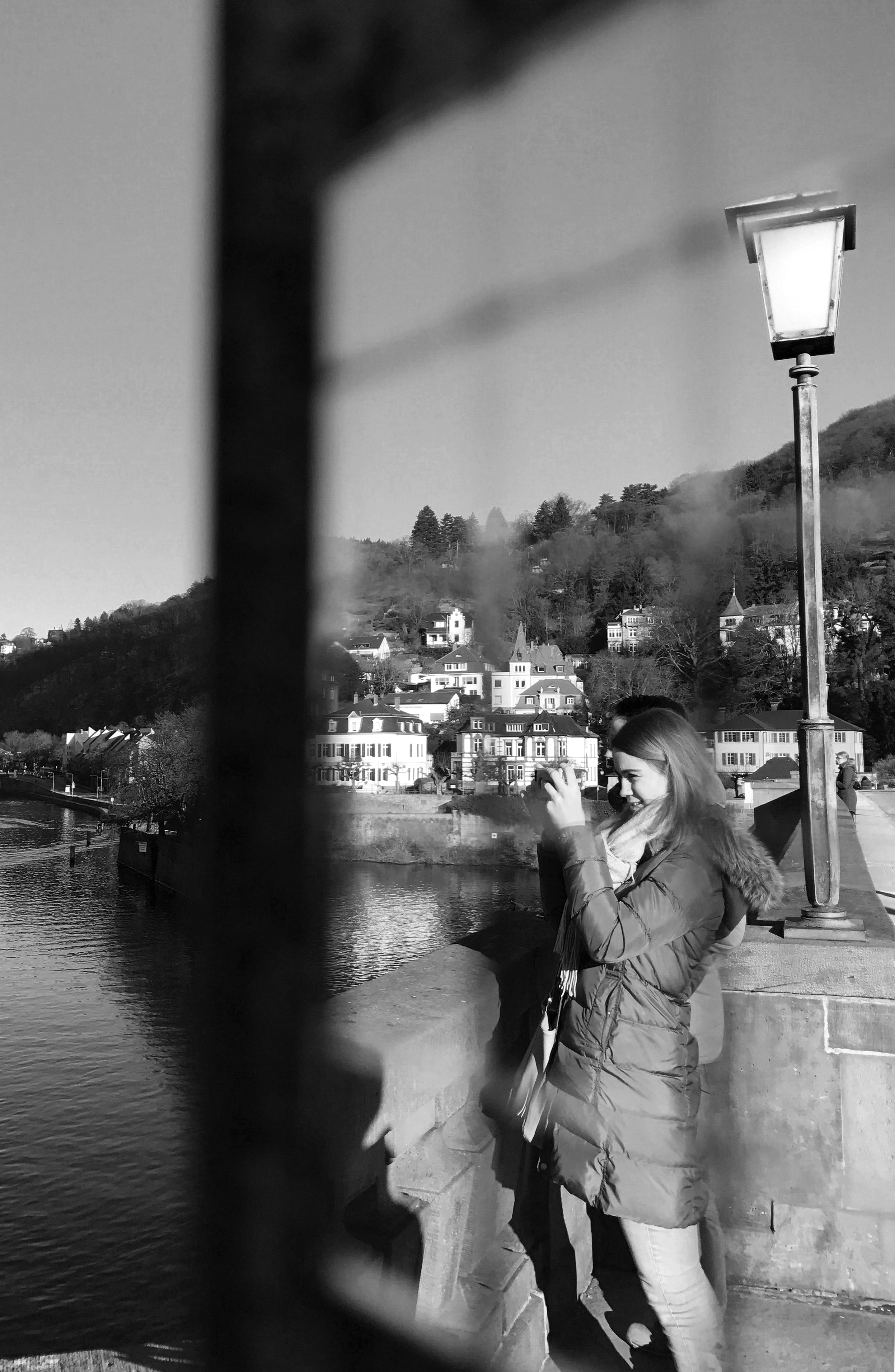
Less is more, so I try to focus on quality over quantity. The unexpected is elusive and not always easy to find, but when I slow down and take the time to really look around, I often discover a little detail or particular angle to help bring a more artistic edge to the photo. It’s far better in my opinion to have 10 interesting shots, even if they’re a bit odd, versus 100 that look like something you could find from a quick google search of the word “Heidelberg”. The element of surprise doesn’t have to be over the top, but it’s a necessary ingredient in creating a photo that looks more uniquely
yours.